
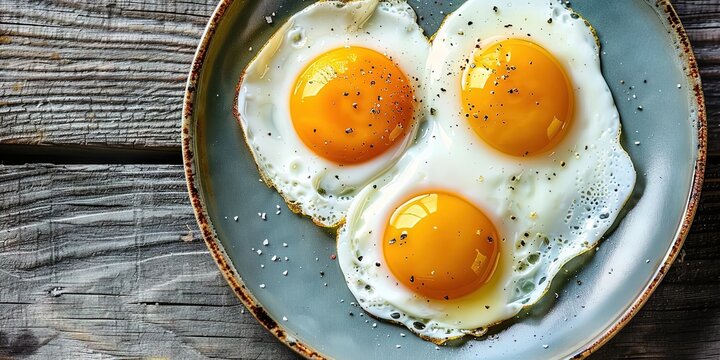
Simply Excellent Dippy Eggs
By Julia Asper
Dippy eggs are really popular at our home.
People usually think of them as over easy (flipped) or sunny-side up (not flipped), but Aaron’s family is from Pennsylvania Dutch country, and they call them Dippy Eggs.
To me, it doesn’t matter whether it’s been flipped or not, as long as the yolk is “dippable” and the white is solid.
When you have eggs with rich, nutrient dense yolks, like the kind our hens produce here, you want to leave the yolks soft as much as possible for your diet.
The yolks from a pasture-raised hen have more nutrients like carotenoids, Vitamin D, and more, so heat can affect some of the potency of access to the nutrients.
It’s like with raw milk, you don’t want to invest in such a luxury then cook it thoroughly each time.
What about bacteria? The egg whites carry more of the risk of bacteria if uncooked, especially with store-bought eggs. When you do not know the history of how it was handled or transported, you want more caution.
So, for a good balance, make sure the white is firm and cooked, but the yolk soft.
2 Ways to Make Dippy Eggs
Method 1: Sunny-Side Up Using a Drop of Water & Cover
- Heat skillet so handle is warm to touch or has a sizzle if you drop a drop of water in the skillet.
- Add a bit of bacon grease, uncured fatback/lard, or a pat of butter. Melt.
- Crack the eggs onto the well greased surface.
- Cook until the white are firm.
- Add a drop of water on each yolk.
- Cover with a clear lid until the top of the egg has a cooked layer over it. No whites jiggling!
- Remove immediately and enjoy.
- Add salt and pepper AFTER or AT THE END of cooking, not before.
Method 2: Over Easy
- Heat skillet so handle is warm to touch or has a sizzle if you drop a drop of water in the skillet.
- Add a bit of bacon grease, uncured fatback/lard, or a pat of butter. Melt.
- Crack the eggs onto the well greased surface.
- Cook until the white are firm.
- Using a fish spatula or other flat regular but thin spatula, scoop up the egg and flip carefully.
- Let it cook briefly.
- Remove to plate. Add Salt and Pepper on the egg on the plate.
- ****With this method, you have to do a bit of trial and error to judge how long to keep it flipped over. I keep it about 10 seconds, but that can vary with the heat of the skillet.
You can serve these eggs on avocado toast, with toast for dipping, with some peppers or bacon sprinkled in while cooking, too….
There are so many options, and one of my favorite ways to retain all those delicious nutrients in a good egg.
I prefer the 2nd Method (over easy). Which do you prefer?
 Asper Family Farm
Leave a comment